For years, retail trading discussions revolved around tight spreads and promotional offers. Yet in today’s competitive environment, particularly in the UK and across Europe, the conversation has shifted. Traders are asking more structural questions: How fast is execution? How stable is the platform under stress? How transparent are the costs over time?
Platforms such as FxFinex increasingly find themselves evaluated through this more analytical lens. The emphasis is no longer on surface-level metrics, but on operational depth. Execution quality — once a technical afterthought — is becoming the defining benchmark.
This evolution reflects a broader maturity in the trading ecosystem. As volatility persists and macroeconomic events drive rapid market movements, infrastructure matters more than ever.
The Changing Priorities of Active Traders

Retail traders today are more informed than their counterparts a decade ago. Access to macroeconomic data, central bank commentary, and global financial news has reshaped expectations.
Modern traders typically prioritise:
-
Order execution speed
-
Platform stability during volatility
-
Transparent pricing structures
-
Access to multiple asset classes
-
Clear risk management tools
This numbered shift in priorities illustrates a structural change. The “best” platform is no longer defined by marketing intensity, but by measurable operational performance.
Fx Finex operates within this environment, where scrutiny is high and alternatives are plentiful.
Volatility as a Performance Benchmark
Market turbulence exposes weaknesses quickly. Interest rate announcements from the Bank of England, unexpected inflation data, or geopolitical developments can trigger rapid price swings.
During such moments, traders pay attention to:
-
Slippage frequency
-
Spread behaviour
-
Order confirmation speed
-
System downtime
Execution inconsistencies can undermine even the strongest trading strategy. That is why infrastructure reliability has become central to platform comparisons.
FxFinex.net positions itself within this performance-oriented discussion, where consistent delivery matters more than promotional claims.
A Comparative View: What Traders Evaluate
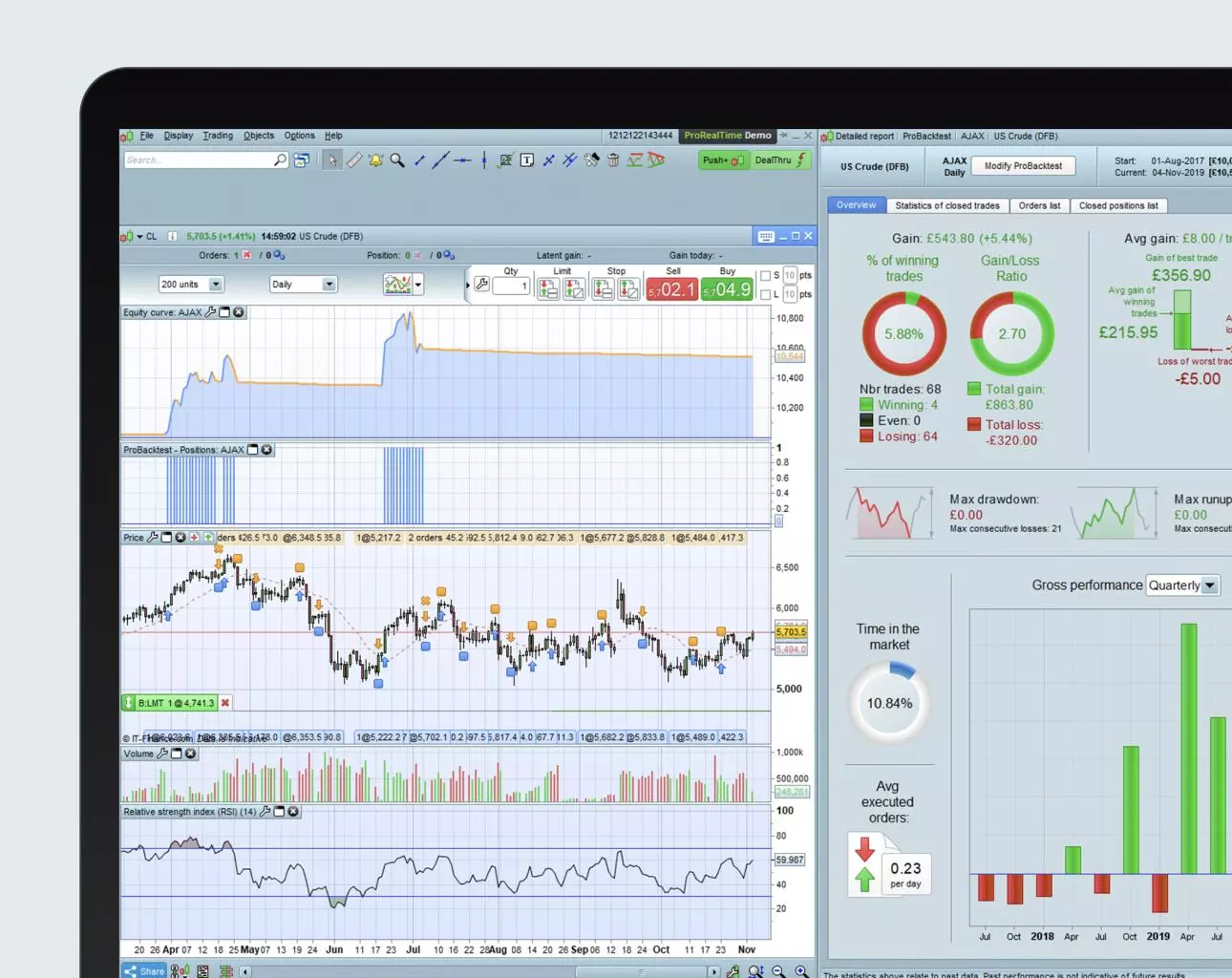
Below is a simplified comparison of the criteria traders increasingly assess when reviewing trading platforms:
| Evaluation Factor | Why It Matters Today |
|---|---|
| Execution Speed | Reduces slippage during volatility |
| Platform Stability | Ensures uninterrupted trading access |
| Cost Transparency | Supports long-term profitability |
| Asset Diversification | Allows macro-driven allocation shifts |
| Risk Management Tools | Preserves capital discipline |
This shift towards structured evaluation reflects a more disciplined trader profile.
Fx Finex appears in this broader landscape as part of a generation of platforms focusing on infrastructure and cross-asset access.
Diversification Beyond Single-Market Thinking
Another defining feature of modern trading is flexibility across markets. Traders rarely confine themselves to one instrument type.
A diversified platform typically includes access to:
-
Major and minor currency pairs
-
Global indices
-
Energy and precious metals
-
Equity derivatives
-
Selected digital asset products
This multi-asset approach enables traders to adapt quickly. When equities experience turbulence, capital may rotate into commodities. When commodity volatility rises, currency pairs may provide alternative exposure.
FxFinex integrates this diversified structure within its environment, aligning with traders who prefer broader market participation rather than narrow positioning.
The Cultural Shift Towards Risk Discipline
Perhaps the most important evolution in trading culture is the emphasis on risk management.
Retail traders increasingly focus on sustainability rather than short-term gains. Key tools that now form baseline expectations include:
-
Stop-loss precision
-
Real-time margin tracking
-
Clear leverage tiers
-
Exposure monitoring dashboards
FxFinex operates within this risk-aware framework, reflecting an industry-wide move toward disciplined participation.
Rather than encouraging speculative behaviour, platforms are judged on their ability to support structured trading strategies.
Technology: The Invisible Advantage
Behind every smooth interface lies a complex technological ecosystem: pricing engines, liquidity connections, data servers, and security protocols.
Traders rarely see this infrastructure directly, but they experience its outcomes:
-
Faster trade confirmations
-
Stable price feeds
-
Reduced latency
-
Consistent cross-device performance
As competition intensifies, technology becomes the quiet differentiator. Fx Finex aligns itself with this infrastructure-focused competition, where measurable reliability often outweighs marketing narratives.
Long-Term Credibility Over Short-Term Hype
The UK trading environment is particularly competitive. Regulation, community discussion, and transparent online feedback create a setting where reputations spread quickly.
Platforms that deliver consistent performance tend to build credibility gradually. Those that rely solely on promotional intensity often struggle to maintain trust over time.
FxFinex.net exists within this mature ecosystem, where evaluation is continuous and performance metrics are scrutinised by an increasingly analytical user base.
Looking Ahead: What Defines the Next Phase
The evolution of trading platforms is unlikely to slow. Over the coming years, traders may see:
-
Enhanced portfolio analytics
-
Integrated macroeconomic data overlays
-
Improved execution architecture
-
Advanced cross-asset exposure tracking
Yet even as innovation accelerates, the fundamentals remain constant: reliability, transparency and structured access.
Execution quality has quietly become the real currency of modern trading. In a market shaped by volatility and competition, infrastructure determines sustainability.
Platforms such as FxFinex, Fx Finex and fxfinex.net are part of this broader transformation — where disciplined design and operational consistency define long-term relevance.
FAQ
Why is execution quality so important in trading?
Because during volatile market events, delayed or inconsistent order fills can materially affect trading outcomes.
Do spreads alone determine platform quality?
No. Overall cost structure, including financing and slippage, plays a significant role over time.
Why are traders focusing more on risk management now?
Persistent market volatility has highlighted the importance of capital preservation and structured exposure control.
Is diversification across assets necessary?
Many traders prefer cross-asset access to respond flexibly to macroeconomic shifts.